Oregon Hiking Books

Oregon Hiking BooksPNW
The Pacific Northwest region covers both Washington and Oregon, which are directly north of California. Abundant mountains with forests, rivers and waterfalls.

Hiking Books for Oregon State

Oregon Hiking Books Oregon Hiking Books

Oregon is a state in the Pacific Northwest region of the United States. The Columbia River delineates much of Oregon’s northern boundary with Washington, while the Snake River delineates much of its eastern boundary with Idaho. The 42° north parallel delineates the southern boundary with California and Nevada.

Oregon is one of the most geographically diverse states in the U.S., marked by volcanoes, abundant bodies of water, dense evergreen and mixed forests, as well as high deserts and semi-arid shrublands. Mount Hood, a stratovolcano, at 11,249 feet elevation is the state’s highest point. Oregon’s only national park, Crater Lake National Park, comprises the caldera surrounding Crater Lake, the deepest lake in the United States. The state is also home to the single largest organism in the world, Armillaria ostoyae, a fungus that runs beneath 2,200 acres of the Malheur National Forest.

Because of its diverse landscapes and waterways, Oregon’s economy is largely powered by various forms of agriculture, fishing, and hydroelectric power. Oregon is also the top timber producer of the contiguous United States, and the timber industry dominated the state’s economy in the 20th century. Technology is another one of Oregon’s major economic forces.

Oregon is 295 miles north to south at longest distance, and 395 miles east to west. With an area of 98,381 square miles, Oregon is slightly larger than the United Kingdom. It is the ninth largest state in the United States. Crater Lake National Park, the state’s only national park, is the site of the deepest lake in the United States at 1,943 feet.


canoe Oregon Hiking Books

see also – 

Columbia River Map
Oregon Dunes Map
Rogue River Float Guide
Rogue River National Forest Map 

Pacific Crest Trail Guide Books

PCT Hiking Guide BooksPCT Hiking Guide Books
Find Pacific Crest Trail Maps

PCT Hiking Guide Books

Listed below are the top rated books for the Pacific Crest Trail.

PCT Hiking Guide Books

PCT Hiking Guide Books

PCT Hiking Guide Books

PCT Hiking Guide Books

The Pacific Crest Trail, officially designated as the Pacific Crest National Scenic Trail, is a long-distance hiking and equestrian trail closely aligned with the highest portion of the Cascade and Sierra Nevada mountain ranges, which lie 100 to 150 miles east of the U.S. Pacific coast. The trail’s southern terminus is just south of Campo, California by the U.S. border with Mexico, and its northern terminus is on the Canada–US border on the edge of Manning Park in British Columbia; it passes through the states of California, Oregon, and Washington.

The Pacific Crest Trail is 2,653 miles long and ranges in elevation from just above sea level at the Oregon–Washington border on the Bridge of the Gods to 13,153 feet at Forester Pass in the Sierra Nevada. The route passes through 25 national forests and 7 national parks. Its midpoint is near Mount Lassen, where the Sierra and Cascade mountain ranges meet.

Thru hiking is a term used in referring to hikers who complete long-distance trails from end to end in a single trip. Thru-hiking is a long commitment, usually taking between four and six months, that requires thorough preparation and dedication. The Pacific Crest Trail Association estimates that it takes most hikers between six and eight months to plan their trip.

While most hikers travel from the southern terminus at the Mexico–US border northward to Manning Park, British Columbia, some hikers prefer a southbound route. In a normal weather year, northbound hikes are most practical due to snow and temperature considerations. Additionally, some hiker services are seasonal and may be better timed for northbound hikers.

see also – 

Recreation Maps of California
National Forest Atlases
Wilderness Maps  

PCT Map #2 Angeles

PCT 2 Map

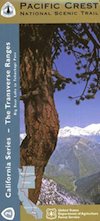
PCT Map #2 Transverse

(Transverse Ranges / San Andreas Fault)

Big Bear to Tehachapi

Pacific Crest Trail National Scenic Trail
PCT – Hiking Map 2

Big Bear Lake to Tehachapi in Southern Sierra Nevada Mountains. Areas include – Big Bear Lake, Holcomb Valley, Lake Arrowhead, Silverwood Lake, Cajon Junction, Cajon Pass, Wrightwood, Big Pines. Jackson Lake, Mount USDA PCT Map 2Lewis, Crystal Lake, Mt. Williamson, Mt. Waterman, Charleton, Mount Pacifico, San Andreas Fault, Chilao Campground, Angeles Crest, Angeles Forest Highway, Los Angeles Forests, Messenger Peak, Lightning Point, Indian Canyon, Agua Dulce, Bouquet Canyon, Elizabeth Lake, Antelope Valley. Large fold out map, durable waterproof paper w/ sturdy cardboard cover. ISBN# 9781593514433

see also –
Big Bear Trail Map
San Bernardino Mountains Map
San Bernardino National Forest Map
San Gorgonio Wilderness Maps
Angeles National Forest Map
Angeles NatGeo Map
Angeles Hiking Maps
Sequoia National Forest Map


Baja California Books

Benchmark Baja California
Road & Recreation Atlas

Baja Map Mexico

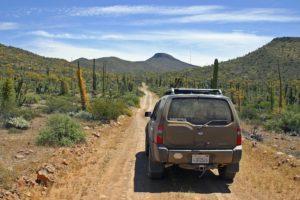
Release date MAY 2021 – announcing a brand new atlas for Baja California, created by Benchmark Maps. 
see more Baja California Maps

Baja California Books

Baja California Mexico

Baja California Mexico Books


Baja California Books

Baja California Books

Baja California Books

Lower California

as opposed to Alta California (US state of California)

Baja California encompasses a territory within the Californias region of North America, which exhibits diverse geography for a relatively small area. The Peninsular ranges of the California cordillera run down the geographic center of the state. The most notable ranges of these mountains are the Sierra de Juárez and the Sierra de San Pedro Mártir. These ranges are the location of forests reminiscent of Southern California’s San Gabriel Mountains. Picacho del Diablo is the highest peak on the peninsula.

Valleys between the mountain ranges are located within a farm growing climate zone, that is particularly suitable for agriculture. Such valleys include the Valle de Guadalupe and the Valle de Ojos Negros, areas that produce citrus fruits and grapes. The mineral-rich mountain range extends southwards to the Gulf of California, where the western slope becomes wider, forming the Llanos del Berrendo on the border with Baja California Sur. The mountain ranges located in the center and southern part of the state include the Sierra de La Asamblea, Sierra de Calamajué, Sierra de San Luis and the Sierra de San Borja.

Baja Climate

Temperate winds from the Pacific Ocean and the cold California Current make the climate along the northwestern coast pleasant year-round. Rains from the north barely reach the peninsula, thus leaving southern areas drier. South of the El Rosario River, the terrain changes from a Mediterranean landscape to a desert one. This desert exhibits diverse succulent species that flourish in part due to the coastal fog.

There are numerous islands on the Pacific shore. Guadalupe Island is located in the extreme west of the state’s boundaries and is the site of large colonies of sea lions. Cedros Island exists in the southwest of the state’s maritime region. The Todos Santos islands are located off the coast of Ensenada; Coronado Islands are located off of Tijuana.
Baja California Books

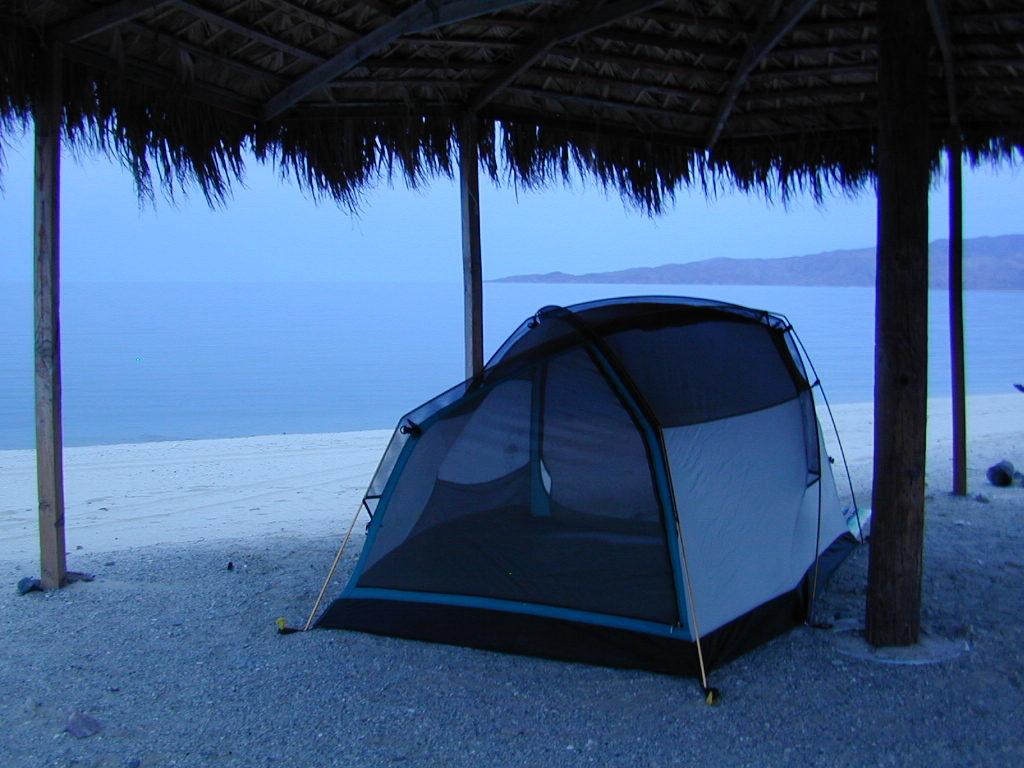
Gonzaga Bay, Baja California Mexico